
Original handicraft projects
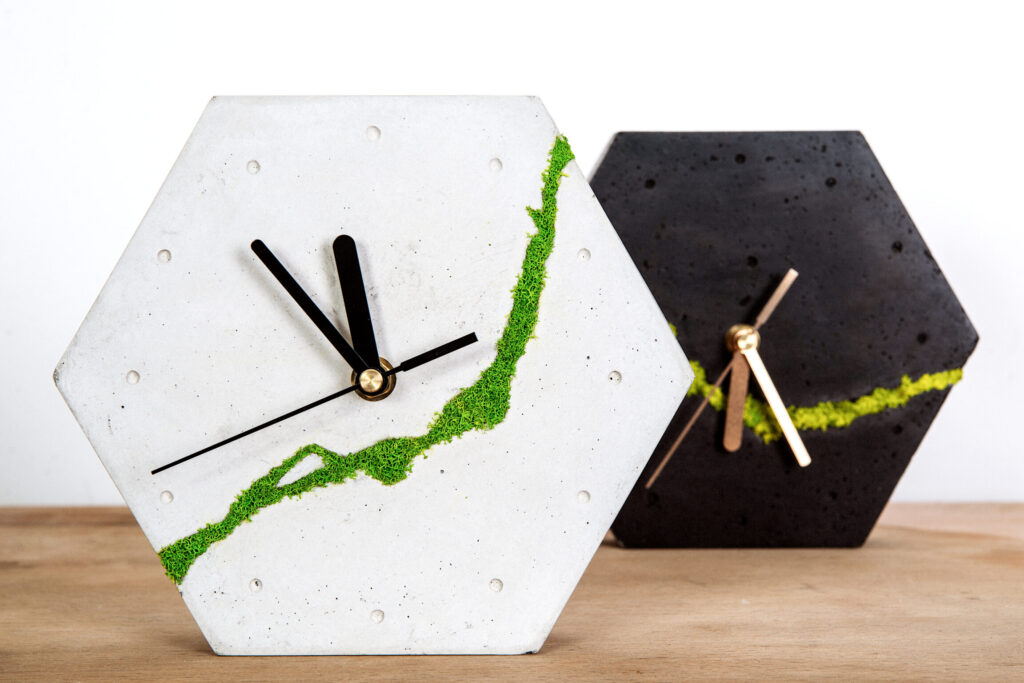
KVADRATOVE
Jewelry collection and decorative items was inspired by both nature and life in a big city. Contrasting materials such as concrete, metal and living plants create coherent, modern forms.
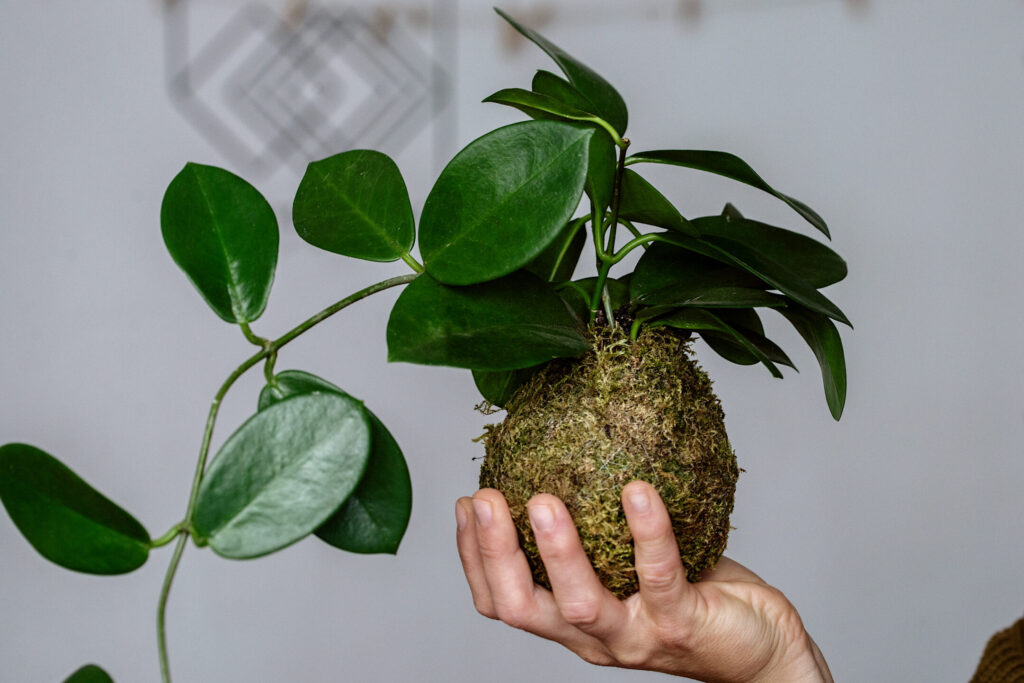
KOKEDAMA
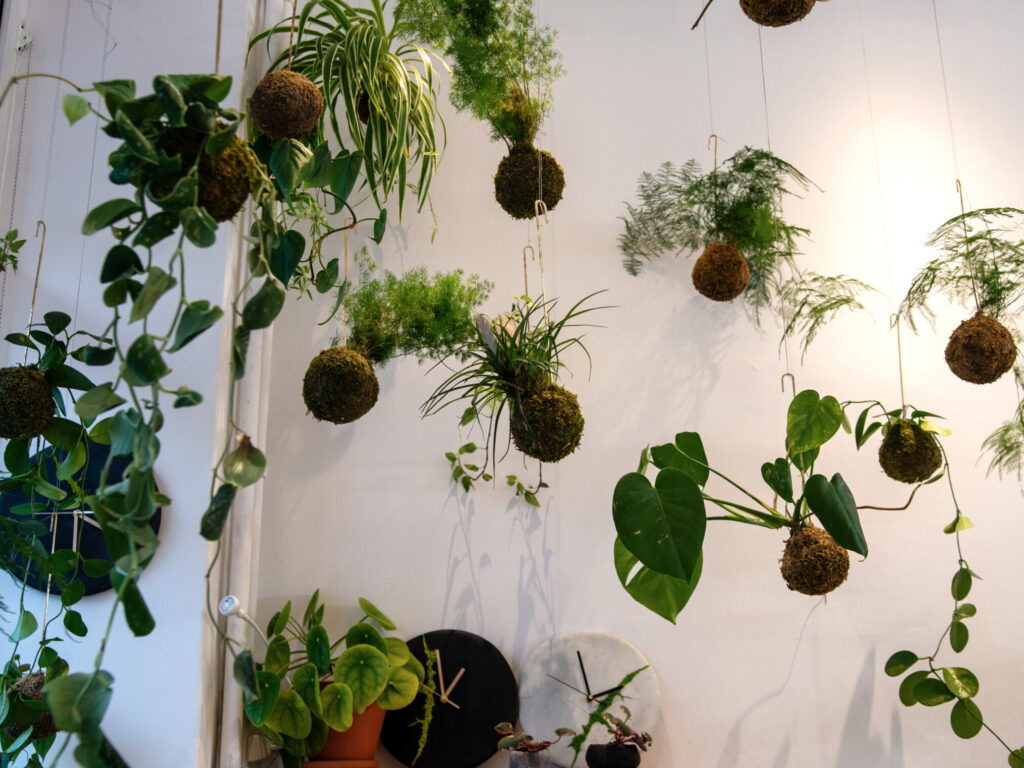
Kokedama is the art of growing plants without a pot. The roots are surrounded by a mixture of soil, shaped into a ball, and then wrapped in moss. My method combines traditional Japanese techniques with the raw character of concrete and brass accents.
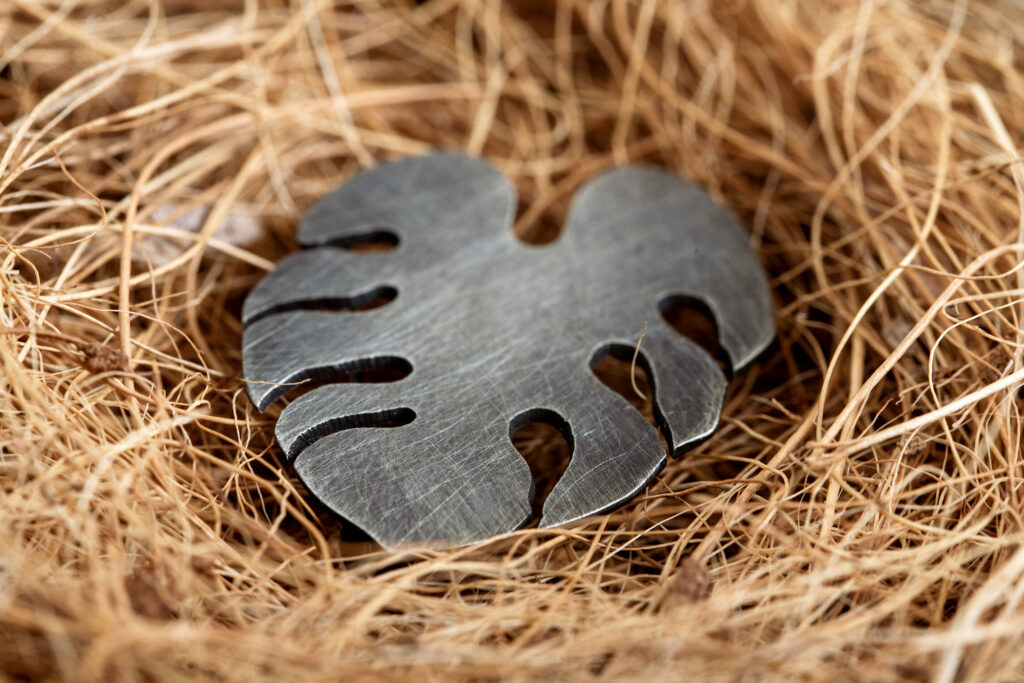
SHAPES
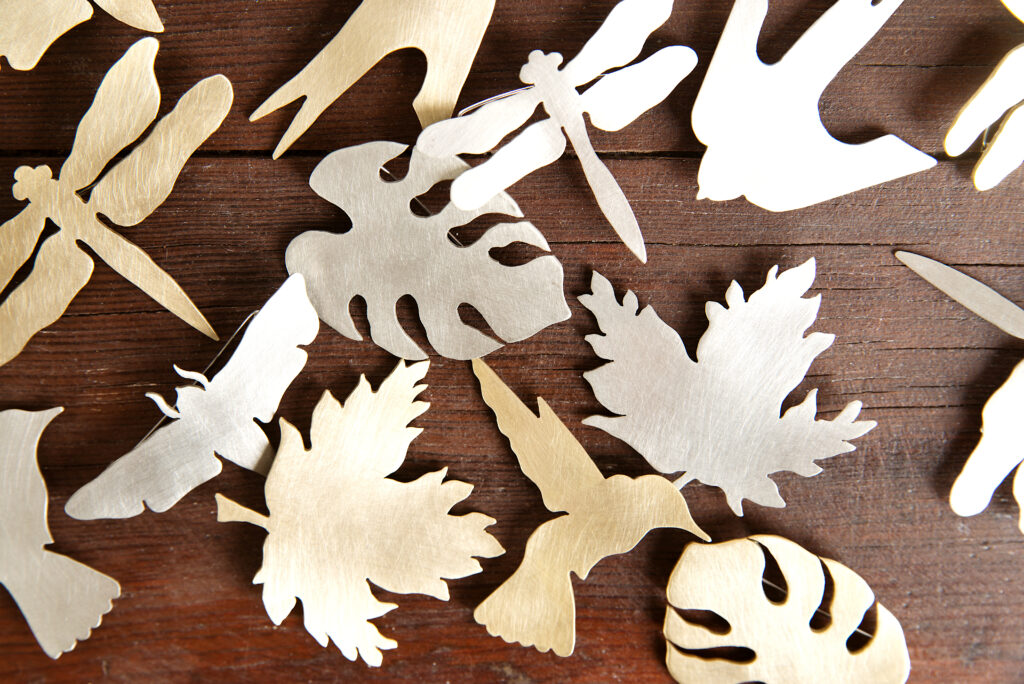
Shapes is a collection of simple jewelry, handcrafted from various metals and inspired by the silhouettes of plants and animals. The collection captures our fascination with nature: its complexity, yet its simple beauty.
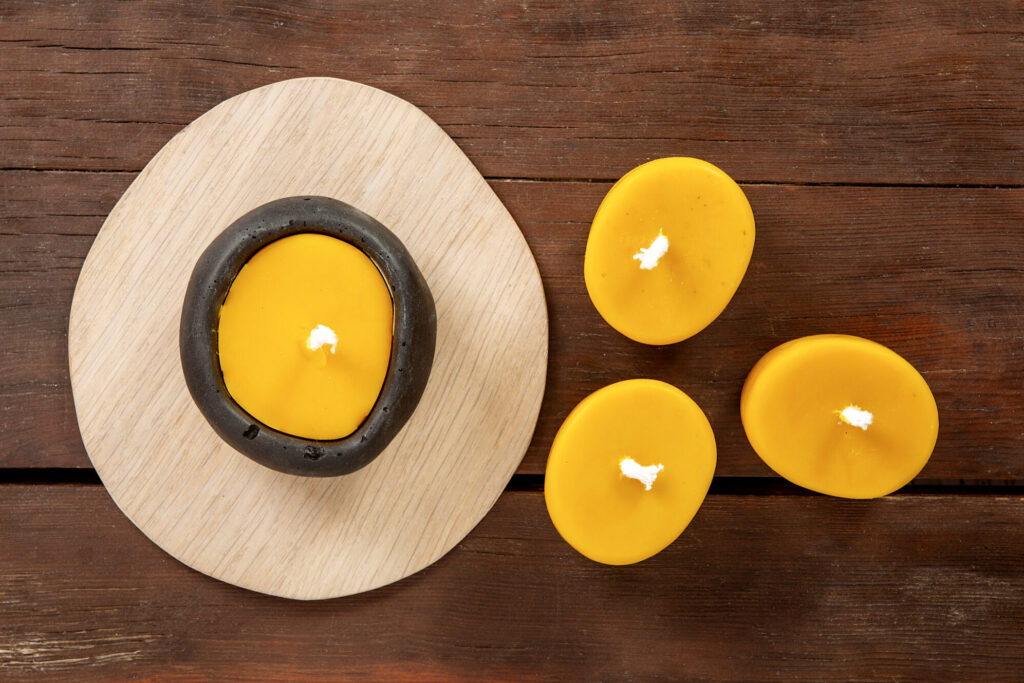
CANDLES
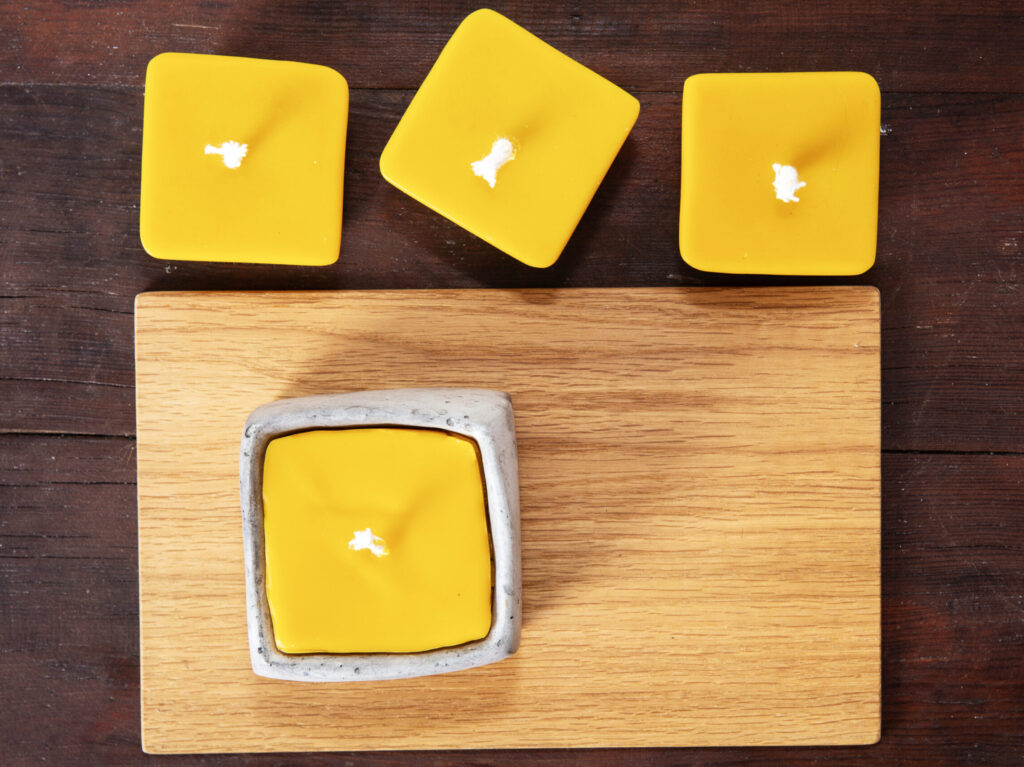
Handmade candles made of natural beeswax, in concrete dishes, displayed on specially prepared stands made of brass, stone or plywood veneered with oak wood.
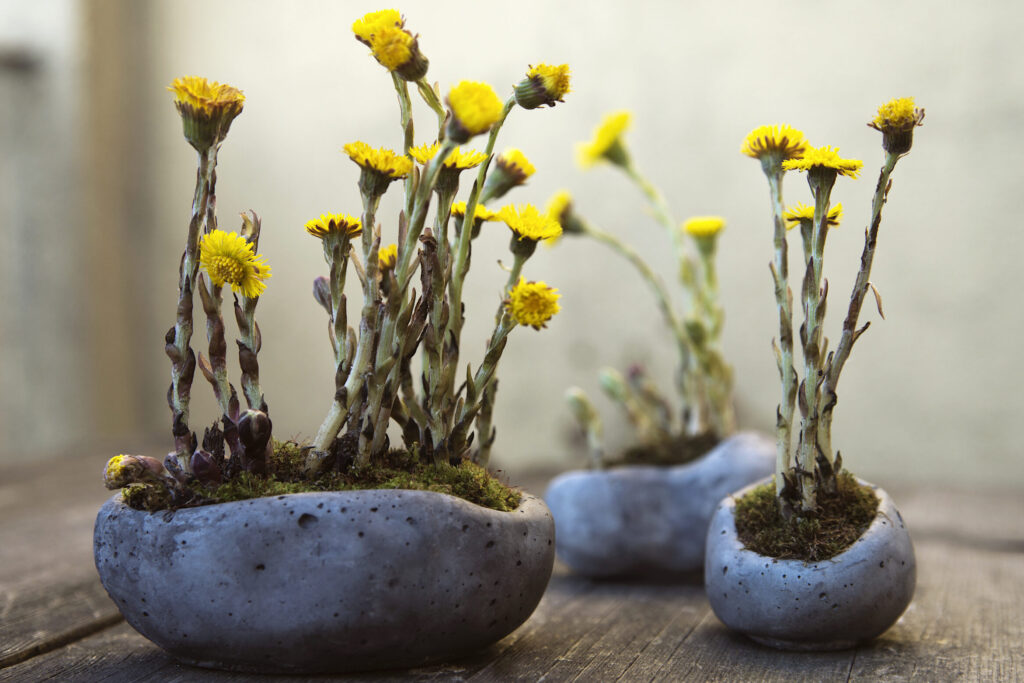
KUSAMONO
Kusamono is the Japanese art of creating plant arrangements using herbaceous plants planted in small, carefully selected containers. It can be a standalone decoration or a complement to a bonsai.
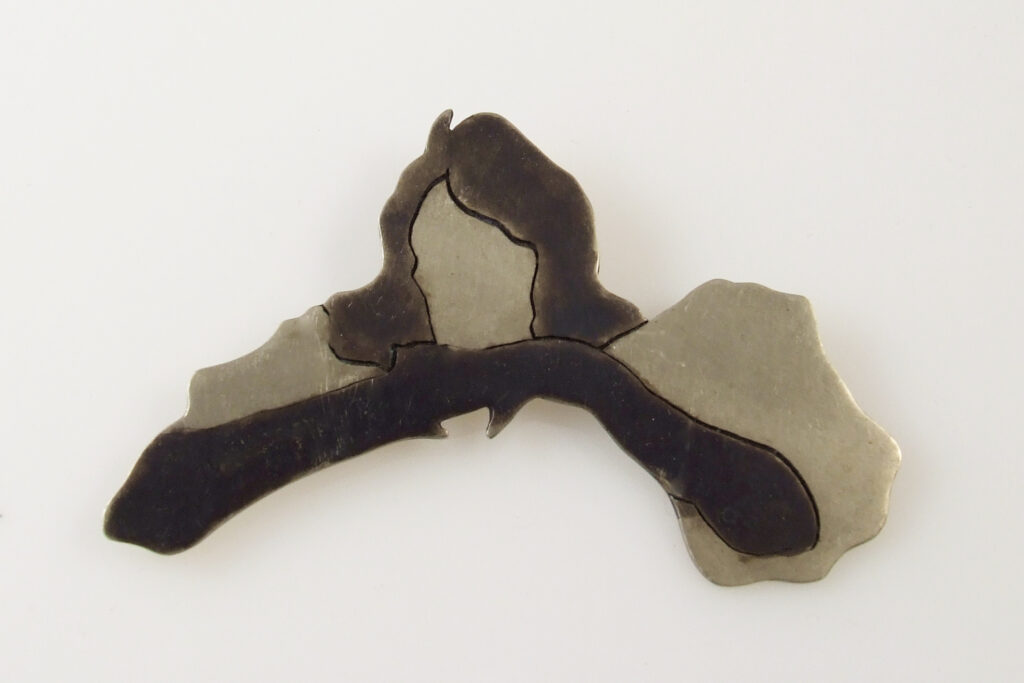
OTHER
A collection of other works that don't fit within the main collections. It encompasses a variety of forms and materials, drawing on diverse sources of inspiration, often created using unconventional handicraft techniques.
MATERIALS
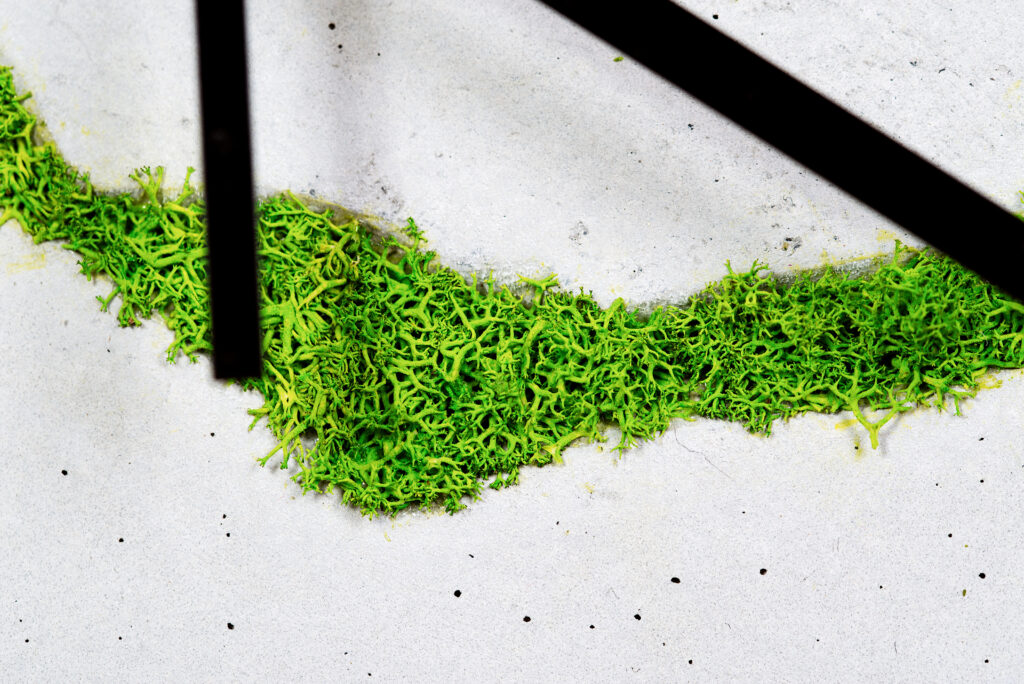
Reindeer moss
Although commonly called moss, lichen is a lichen—a symbiosis of fungus and algae. In nature, it is a food source for reindeer, hence its name.
LichenThe wood I use in my original handicraft projects comes from Scandinavia. It is dyed and stabilized (i.e., immersed in a glycerin solution), so it retains the appearance and softness of a living plant for many years. It also responds to air humidity, It also reacts to air humidity and can even be an indicator of it. – when it is too low, it becomes hard and dry to the touch.
Architectural concrete
In my work, I use what's known as architectural concrete. It's a high-quality mixture with very fine aggregate, additionally reinforced with glass fiber, which increases its strength and minimizes the risk of cracking in the finished elements. Its consistency allows for the casting of precise details, and vessels made from architectural concrete can have very thin walls. I've created elements as small as about 5 mm in diameter. The concrete can be colored with a special mineral dye – I use black and white, which allows for various shades of gray, from light, almost white, to dark graphite.
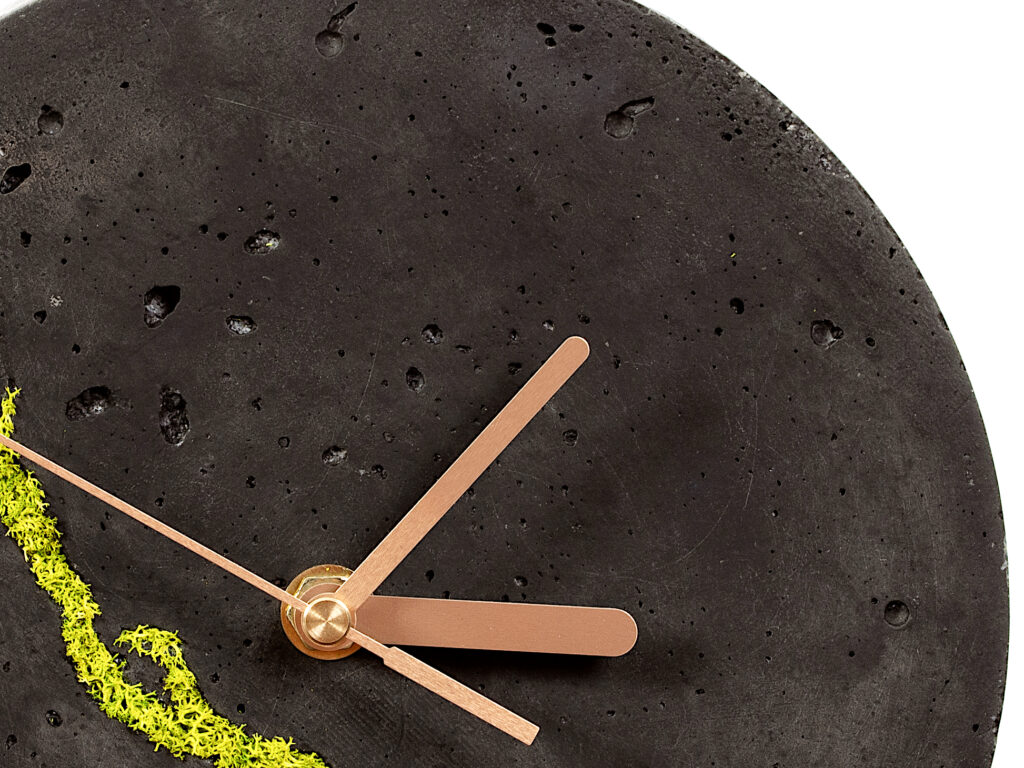
Metals
I primarily use non-ferrous metals for my jewelry – brass, alpaca (a less common type of brass with a warm, silver hue), and sometimes copper. I also use silver when I'm working on a custom order or need a soft metal.
I'm increasingly using alpaca in my work, which I value for its durability and resistance. It works well with flat forms, allowing for a thin yet durable surface.
Wax
I use only natural beeswax for my candles – an ecological and renewable material with unique properties. It burns cleanly, ionizes and purifies the air, and gives off a warm, soft light. The candles are biodegradable, free from toxins and artificial additives, and burn longer than those made with paraffin or soy wax, delighting with a natural, honeyed scent.
Plants
For kokedama and kusamono, I choose plants with shallow root systems—they form the foundation of these decorative arrangements. In kokedama, I often use asparagus, monstera, or ivy, while in kusamono, I use plants like ferns, saxifrage, and small succulents. I also create custom arrangements—tailored to the location and occasion.
Visit me in the studio
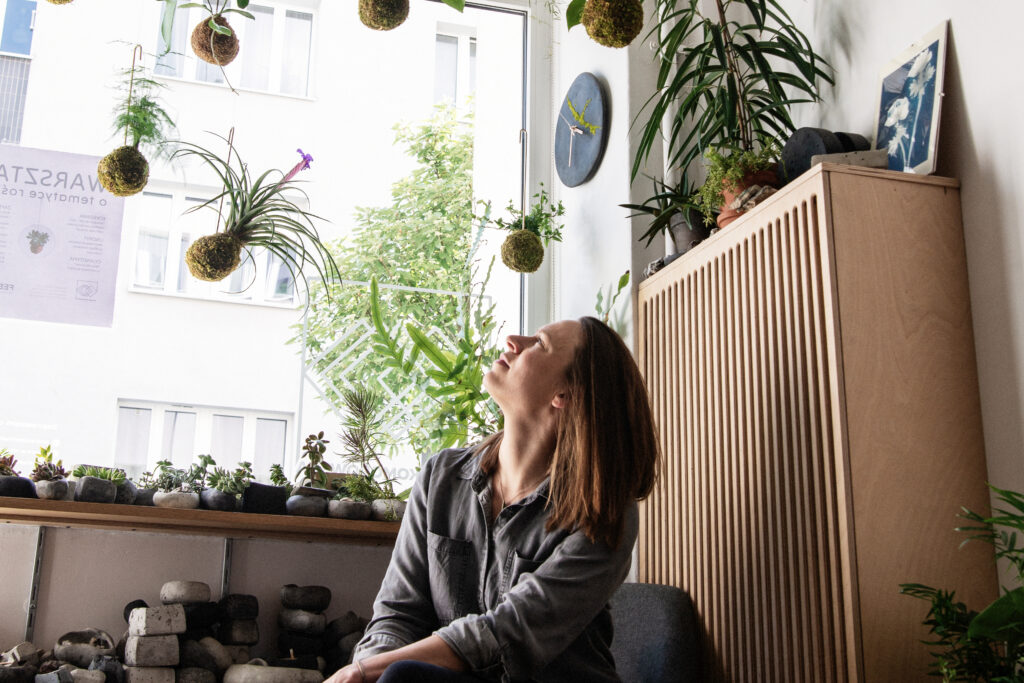
You can usually find me in my atmospheric studio in Mokotów. There, you'll find original handcrafted designs that I don't show in my online store—one-of-a-kind jewelry, clocks with unusual coloring, and unique decorative forms. It's also the only place where you can buy kusamono—it's not available online.
I'd be happy to tell you about individual items, their making techniques, and how to care for plant arrangements. See you there!
PS Sometimes she takes me around town – if you want to be sure I’ll be at the studio, call in advance.
Lab
Address: Belgijska 6, Warsaw
Contact
Joanna Komorowska
joanna@komorowska.com
+48 605 158 111